Magic Canvas:
Creative play, without the mess
No paint . Just water
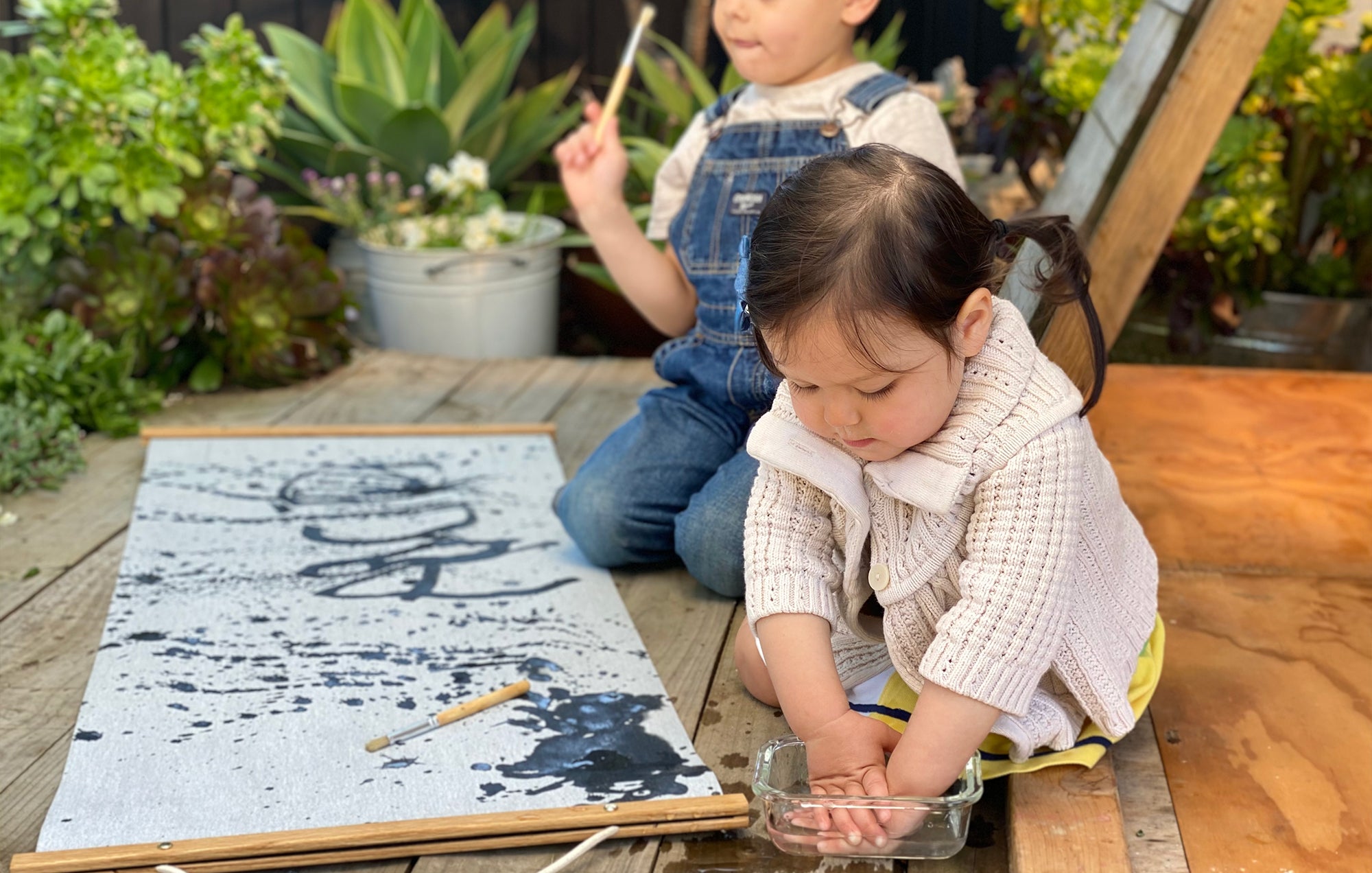
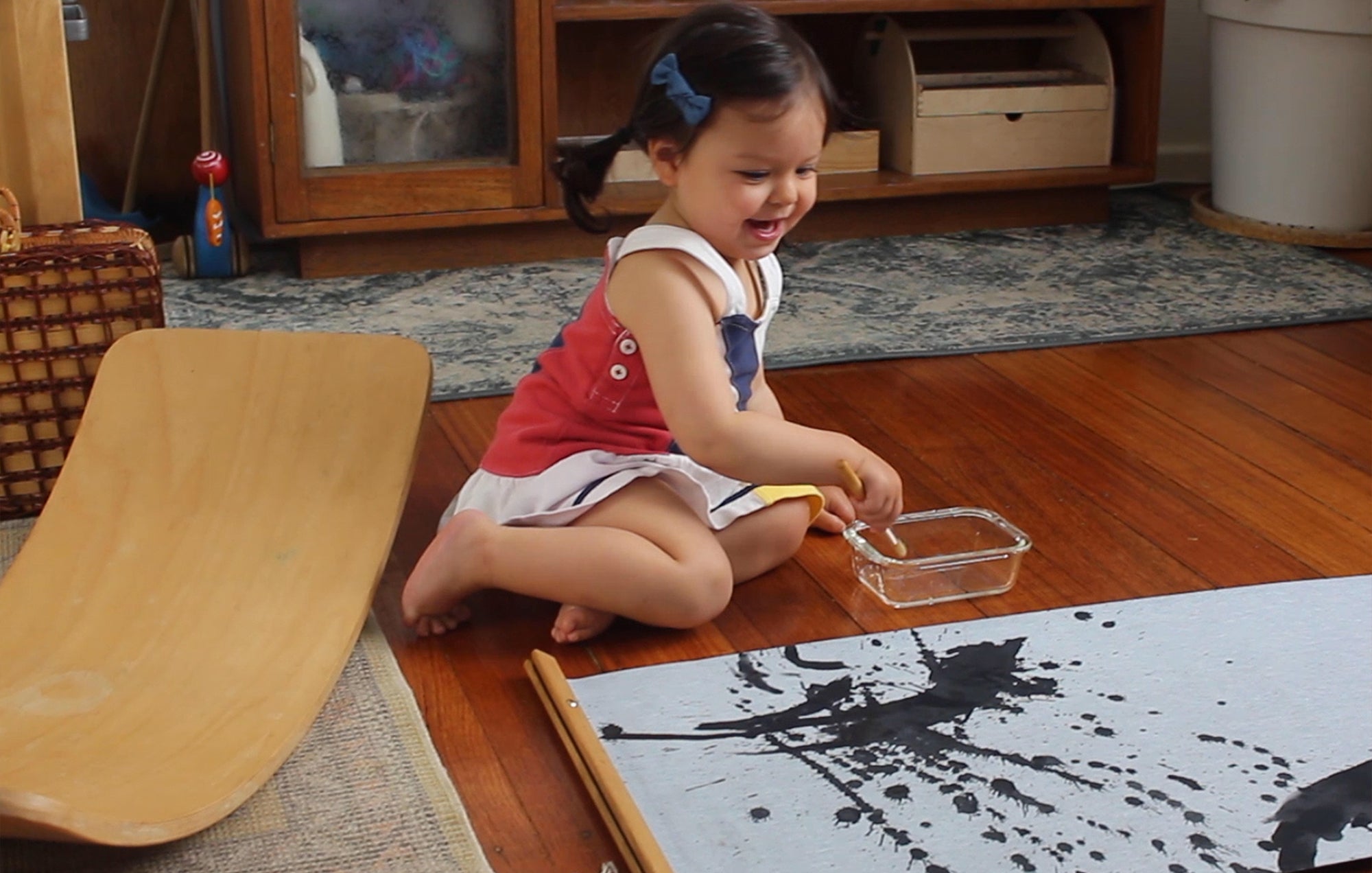
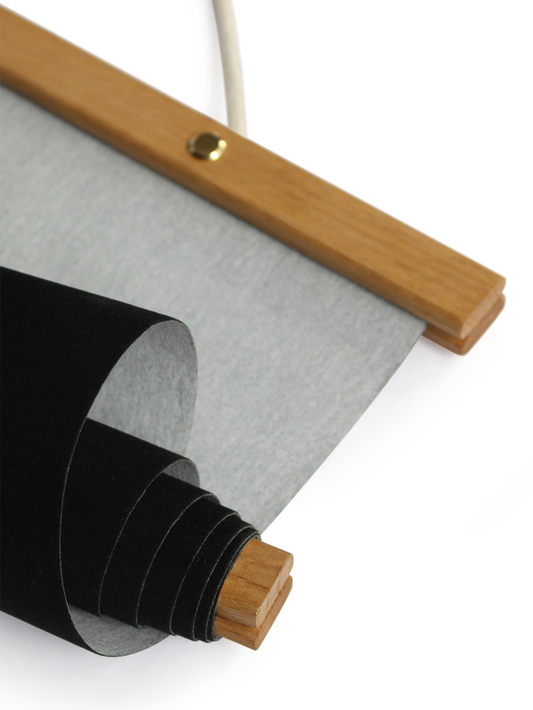
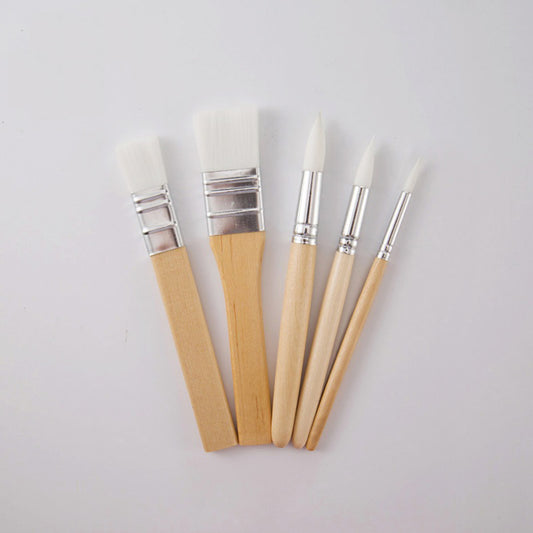
The Magic Canvas allows kids to paint using only water and a clean set of brushes.
Quick to set up - Easy to pack up
No mess to clean - No dirty clothes to wash
Fades as it dries - Endlessly resuable
Allow them the freedom to create more often. Unleash their imagination. Nurture their creativity.
And do it all without mess.
-
Magic Canvas®
Vendor:Cub & FoxRegular price $59.95 AUDRegular priceUnit price per -
Magic Brush Set
Vendor:Cub & FoxRegular price $12.95 AUDRegular priceUnit price per
So many ways to paint
Let their imagination run wild thinking of new ways to create.
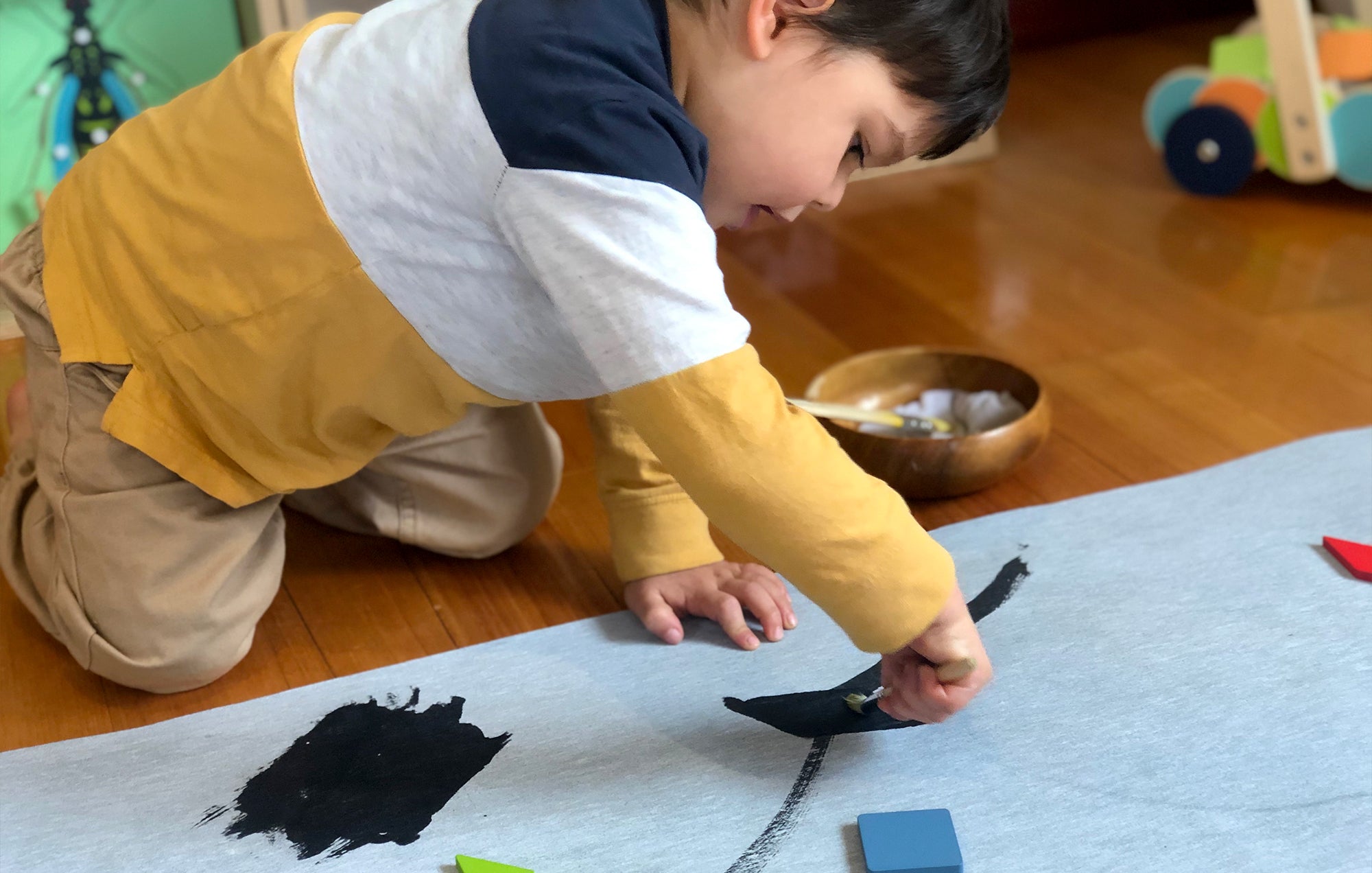
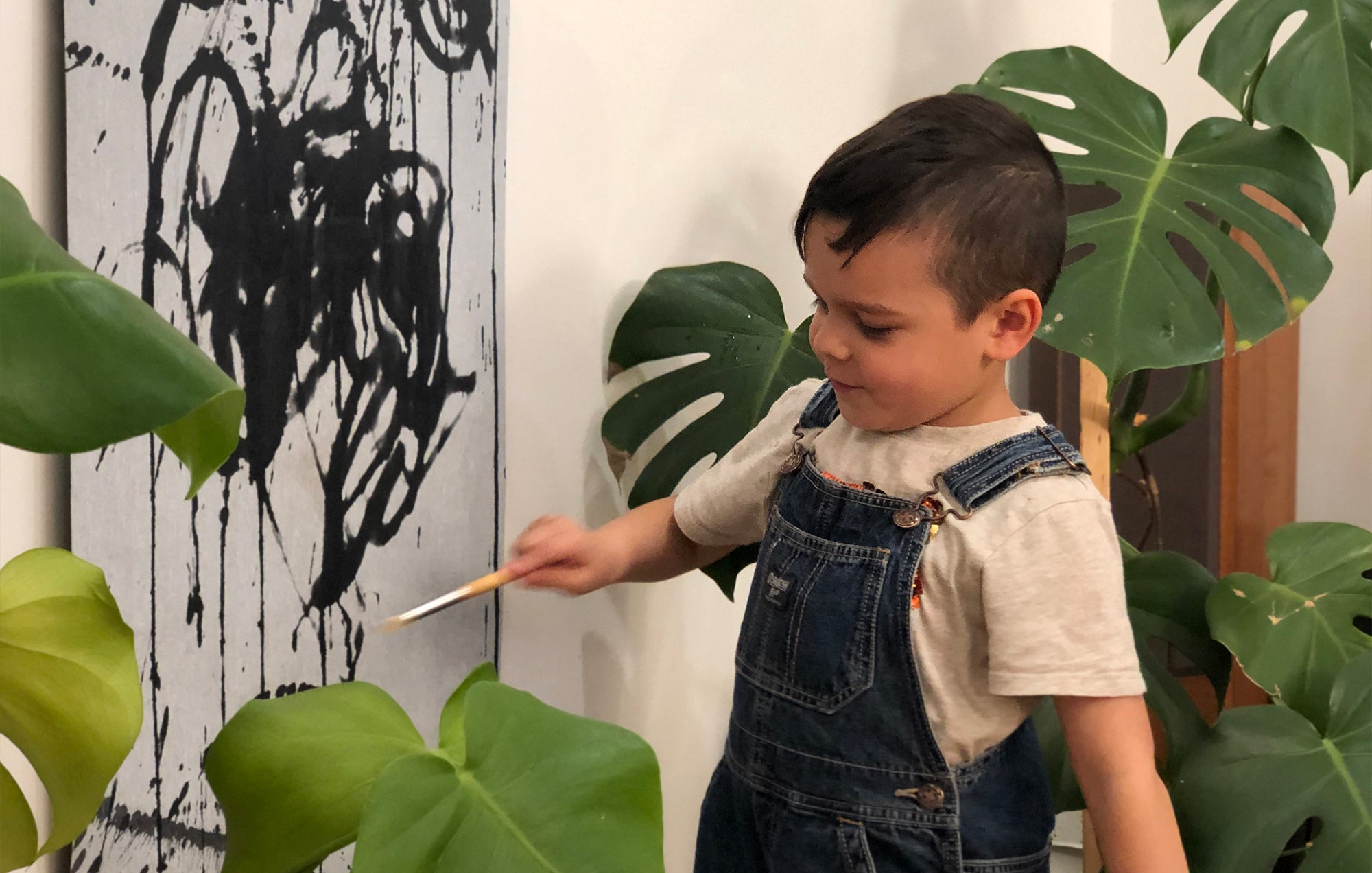
Brushes, hands, feet, sponges...
Flick, squirt, spray, stamp, roll...
Age Range
Suitable for a large age range. The perfect toy for collaborative play amongst siblings or friends.
6-12 months: Sensory, creative play
1-3 years: Fine motor skills + creative expression
4-6+ years: Practicing letters, numbers & drawing
Made with care
Designed and crafted with beautiful, natural materials. Made to last and to compliment the environment.
The Magic Canvas delivers a beautiful and satsifying painting experience that looks just like real paint. Except it's not.
About Us

We are Cub & Fox - Mayra (creator & stay at home mum), Kieran (designer & full-time dad),
Marcelo & Aluna (product testers) - a young multi-cultural family based in Melbourne.
We believe in the power and importance of creative play for our cubs, and we're sure you do too. But as busy parents... we get it. Between cooking, tidying, washing, working, cleaning, parenting (and sleeping somewhere in the middle) it's not always easy.
So we've embarked on a journey to design beautiful products - that allow our cubs to create more often - to help us fuel their imagination - to keep their flame burning brightly.
We are very excited to share this first creation with you. We hope it may serve your family as it has served ours.